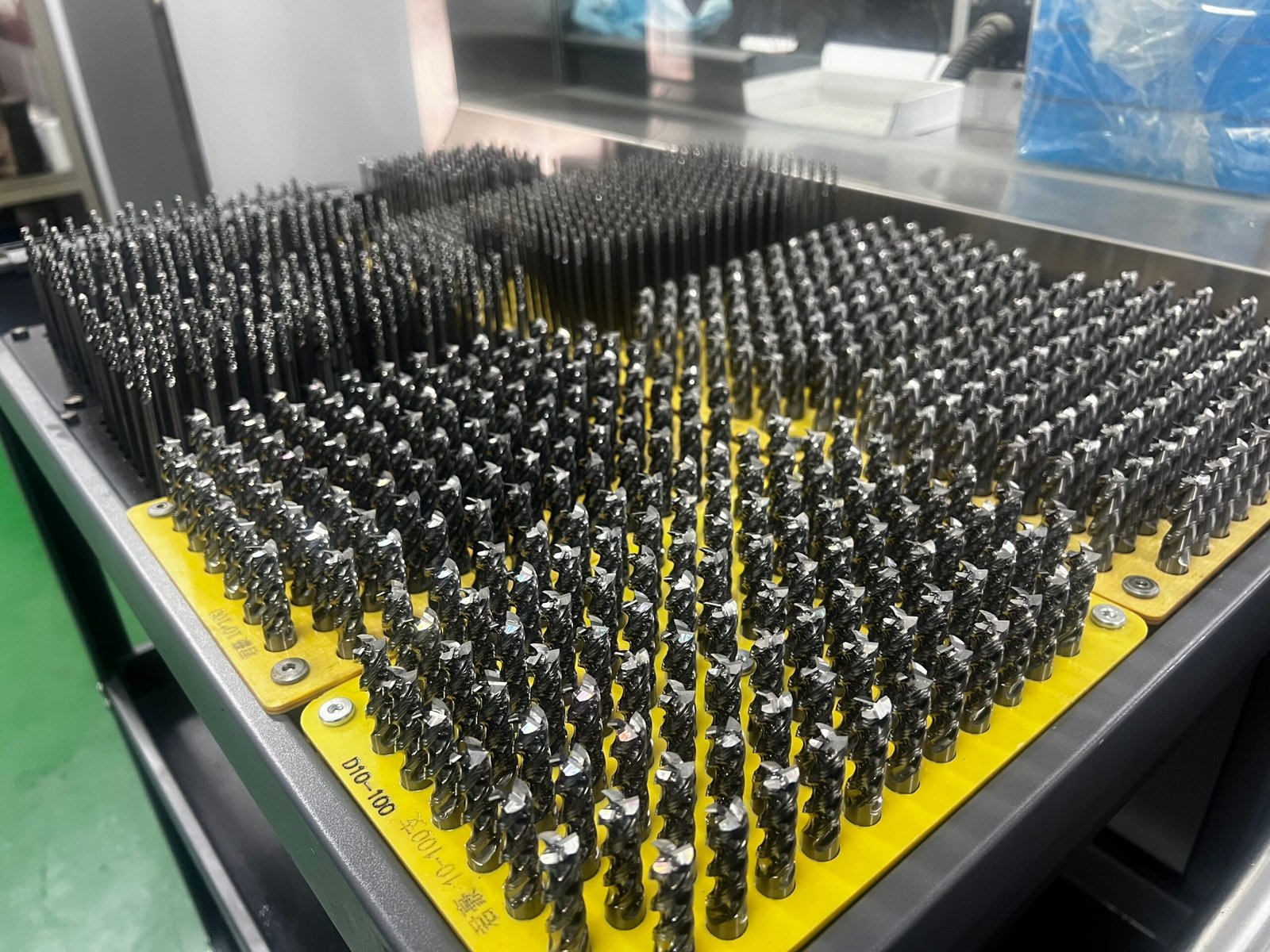
Are you frustrated by the constantly changing price lists for CNC tools this year? You are not alone, and the rising costs are hurting profit margins everywhere.
Prices are skyrocketing due to a "perfect storm" of reduced tungsten supply and explosive demand. China has tightened mining quotas by 6.45%, while new industries like solid-state batteries and defense sectors are consuming record amounts of raw materials.
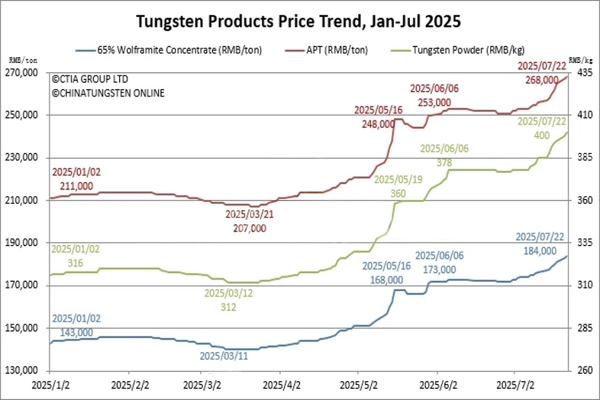
The chart is sourced from https://www.ctia.com.cn/
Many of my clients in Brazil and Russia call me daily asking when this will stop. The truth is complex. To understand where the market is going, we must look at the mines in China and the new technologies driving this surge.
How are China's mining regulations affecting raw material supply?
We usually take raw materials for granted, but recent government changes have shaken the entire supply chain. The availability of tungsten is no longer guaranteed.
The Chinese government treats tungsten as a strategic rare earth resource. In 2025, the quota for mining was reduced to 58,000 tons. This is a significant drop of 6.45% compared to 2024, directly limiting the amount of material available for tool manufacturers like us.
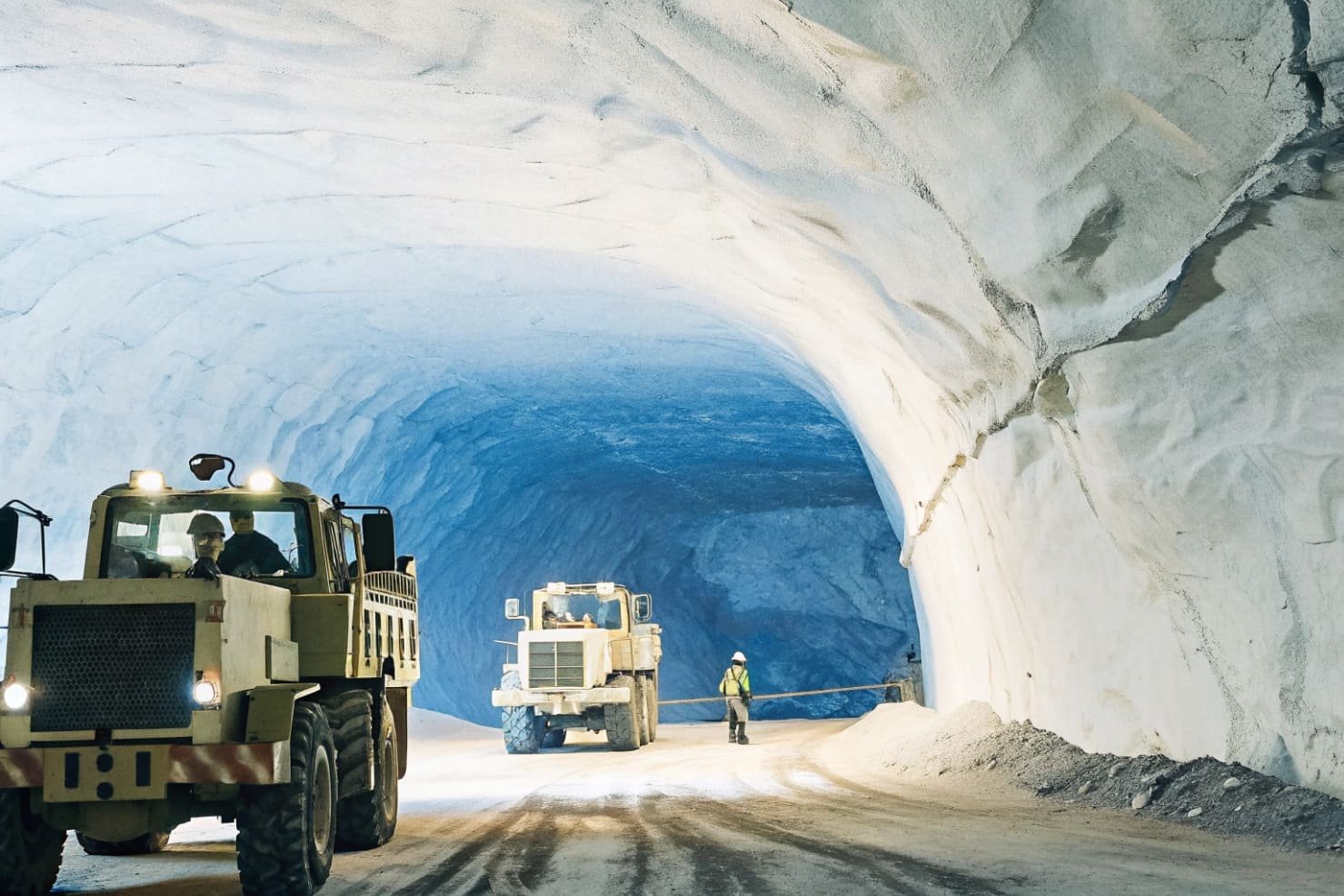
At NV-Tool here in Changzhou, we talk to our material suppliers constantly. The news from the mines is worrying. Tungsten is not just a metal; it is a strategic resource. Because of the ongoing trade tensions between China and the US, the government has tightened controls on how much can be dug out of the ground. The state approval process is strict. The total allowance for the whole country is now only 58,000 tons.
But it is not just about the planned quotas. Unexpected events have made things worse. On July 23, there was a serious safety accident at the China Gold Group. This was a big deal. Immediately after, the government launched massive safety inspections across all mining companies.
On top of safety checks, environmental inspectors went to Hunan and Jiangxi provinces. These two areas are the heart of tungsten mining in China. Because of these strict inspections, the operating rate of mines in these areas dropped to only 35%. This means for every three days they should be working, they are barely working one. This caused the weekly output of tungsten concentrate to drop by 200 tons. The supply is shrinking from every direction.
| Factor | Impact on Supply | Details |
|---|---|---|
| Government Quota | -6.45% | Total limit reduced to 58,000 tons for 2025. |
| Safety Inspections | Severe Delay | Triggered by China Gold Group accident on July 23. |
| Environmental Check | -200 tons/week | Hunan/Jiangxi operating rates dropped to 35%. |
| Trade War | Strict Control | Tungsten used as a tool for technical control. |
We are seeing a classic case of supply shock. The mines cannot produce enough rock, so the smelters cannot produce enough powder, and eventually, the price of the carbide rods and inserts we sell to you must go up.
Which new industries are consuming all the tungsten resources?
You might think CNC machining is the main user of carbide, but we now have huge competitors for these resources. The demand landscape has completely shifted.
Traditional machining is no longer the only player. The demand for military applications has grown by 42%, and the photovoltaic sector now uses tungsten wire in over 60% of its production. These giant industries are buying up the limited supply of tungsten.
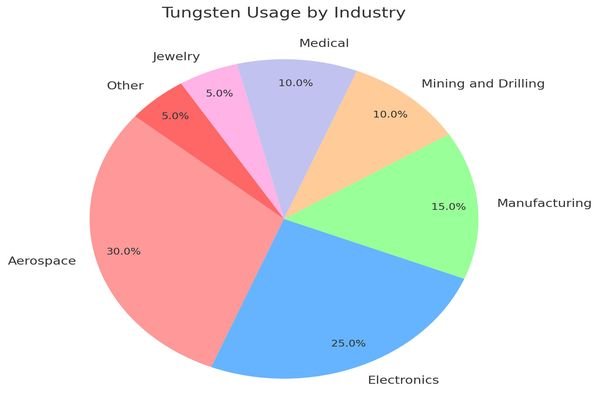 The data is an estimation based on accurate research from the United States Geological Survey (USGS) and the International Tungsten Industry Association (ITIA)
For years, our main concern was how many cars or molds were being built. Now, we are competing with the military and the energy sector. The demand for military products has exploded. Specifically, the orders for hard alloy used in armor-piercing projectile cores have grown by 42%. Also, the United States has a "Golden Dome" plan that requires about 9,000 tons of tungsten. This is a massive amount of material leaving the market.
Then we have the green energy revolution. In the solar power industry, they use tungsten wire for cutting silicon wafers. This year, the market penetration of this tungsten wire broke through 60%. This is a huge new source of consumption that did not exist a few years ago.
It gets even crazier when we look at batteries. Solid-state batteries are the future of electric vehicles. They require lithium tungstate material. The demand for this specific material is expected to jump by 300%, reaching 12,000 tons.
Finally, there is nuclear fusion. The Chinese CRAFT project is a massive fusion reactor. It needs 6,000 tons of tungsten materials every year. To give you an idea of how big that is, just this one project consumes about 5% of the entire world's tungsten consumption.
| Industry | Growth/Demand | Specific Application |
|---|---|---|
| Military | +42% | Armor-piercing cores & US Golden Dome (9,000 tons). |
| Photovoltaic | >60% Share | Tungsten wire for silicon wafer cutting. |
| EV Batteries | +300% | Solid-state batteries (12,000 tons demand). |
| Nuclear Fusion | 5% Global Share | CRAFT project needs 6,000 tons/year. |
When you add all this up, the pressure on prices is obvious. The military and energy sectors have deep pockets. They will pay whatever price is necessary to get the material. This drives the price up for everyone, including us tool manufacturers.
How is this price volatility affecting manufacturers and buyers?
It is not just about high prices; it is about the unpredictability. Both factory owners and purchasing managers are struggling to plan for the future.
Raw material prices change weekly, sometimes daily. This creates a dangerous situation where quoting a large order today might result in a loss tomorrow. We want to support our clients' stocking needs, but the risk of replacing inventory at higher costs is terrifying.
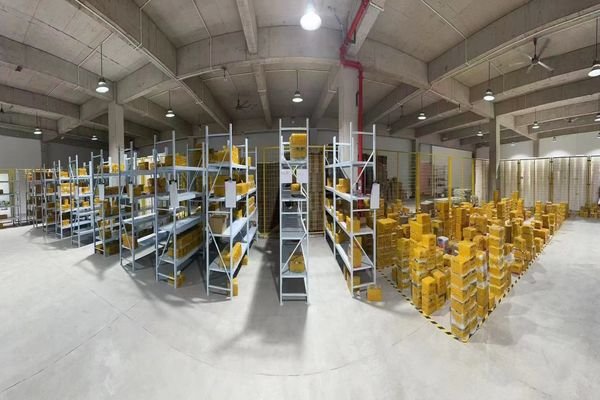
I want to share a personal story from our factory floor in Changzhou. Right now, we are in a very awkward position. Our customers in places like South Africa and Mexico are smart. They see the prices going up, so they want to buy a lot of stock now. They want to hoard tools before the price gets even higher.
Normally, I would be happy to get these big orders. But the raw material price is moving too fast. It changes almost every week. If a customer places a big order today, and I use my current stock to fill it, I have to buy new material to replace it. But if the price of the new material jumps next week, I might lose all my profit. I might even lose money on the deal.
This makes us afraid to give quotes for large quantities. We have thousands of inserts in stock—CNMG, DNMG, milling cutters—but we have to be very careful. It is a gamble. If we quote too high, we lose the customer. If we quote too low, we cannot afford to buy the tungsten to make the next batch.
Based on everything I see—the closed mines, the military demand, the battery boom—I do not think this will end soon. I predict prices will keep rising. We will not see the peak of CNC tool prices for at least another six months.
Here is my honest advice for our partners:
- Communication is key: Talk to us before you place a bid. Ask us about the current material trend for that specific week.
- Don't wait: If you have a steady need for turning inserts or end mills, buy them now. The price next month will likely be higher.
- Understand the validity: Our quotes now have shorter validity periods. This is not because we are difficult; it is because the market forces us to be quick.
We are doing our best to keep costs stable for our long-term partners, but the global supply chain is in a state of shock. We must navigate this together.
Conclusion
Tungsten prices are rising due to strict mining quotas, safety shutdowns, and massive new demand from military and energy sectors. Expect these high prices to continue for at least six months.