Struggling with drill bits that wear out fast? Production delays and poor hole quality are costly. The right tungsten carbide drill bit can dramatically improve your efficiency and results.
Tungsten carbide drill bits are cutting tools made from an extremely hard composite material. To choose the best one, you must consider the material you're drilling, the required hole size and depth, and the specific application to ensure optimal performance, precision, and tool life.
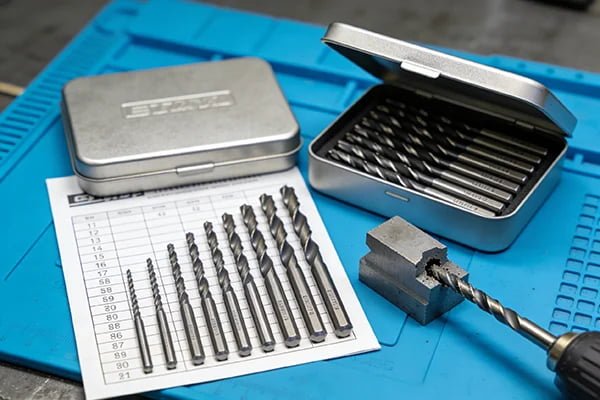
I've seen countless machine shops struggle with the wrong tools. It's a common story. They buy cheaper bits and end up paying more in the long run. But what makes these tungsten carbide bits so special? In this post, I'll break down everything you need to know. We'll cover why they are superior, how to pick the right one, and how to use them correctly. Let's get started.
What Makes Tungsten Carbide Drill Bits Superior to Other Types?
Tired of HSS drill bits breaking or dulling on tough materials? This downtime costs you money. Tungsten carbide offers superior hardness and heat resistance, making it a game-changer.
Tungsten carbide drill bits are superior due to their exceptional hardness and wear resistance, allowing them to cut through hardened steel and abrasive materials. They also maintain their cutting edge at high temperatures, enabling faster drilling speeds and significantly longer tool life compared to HSS bits.
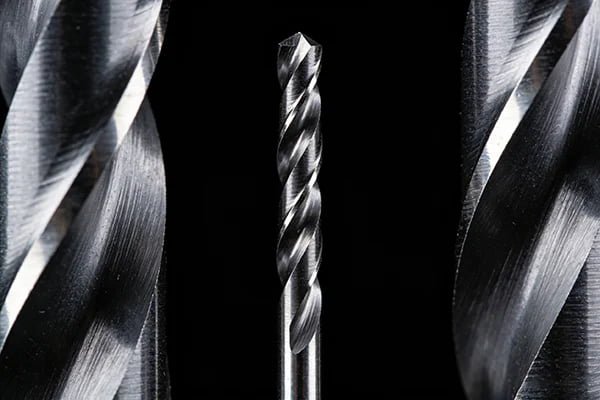
At our factory, we work with these materials every day. I can tell you that tungsten carbide is incredibly hard. This allows it to drill through very tough materials without wearing down quickly. Think about drilling into stainless steel or a high-temperature alloy. A standard High-Speed Steel (HSS) bit would get dull almost immediately. A carbide bit, however, keeps its sharp cutting edge for a very long time. This extended tool life is a huge cost-saver for any manufacturing operation. You spend less time changing tools and more time making parts. When you drill fast, you also generate a lot of heat. This heat can soften an HSS bit, causing it to fail. Tungsten carbide is different. It stays hard even when it gets very hot. This lets you run your machines at higher speeds, leading to faster cycle times and increased productivity. For businesses like our automotive clients, this efficiency is critical.
A Quick Comparison: Carbide vs. HSS
| Feature | Tungsten Carbide | High-Speed Steel (HSS) |
|---|---|---|
| Hardness | Extremely High | High |
| Wear Resistance | Excellent | Good |
| Heat Resistance | Excellent | Fair |
| Drilling Speed | Very Fast | Moderate |
| Tool Life | Very Long | Short to Medium |
| Best For | Hard materials, mass production | Softer metals, general use |
How Do You Select the Right Tungsten Carbide Drill Bit Size and Type?
Worried about choosing the wrong drill bit and ruining a part? A single mistake can be expensive. Following a few key steps ensures you select the right size and type every time.
To select the right tungsten carbide drill bit, first identify the final hole diameter and tolerance required. Then, choose a type based on the application, such as a 3D or 5D bit for different depths. Consider features like internal coolant for better chip evacuation and performance.
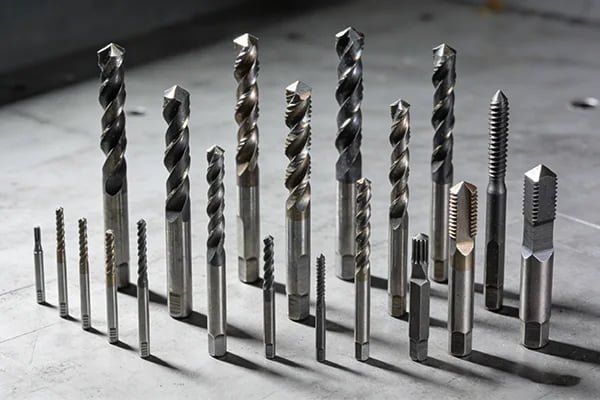
When a customer calls me, one of the first questions I ask is about the hole depth. The "D" in our 3D, 5D, or 8D drill bits stands for diameter. A 3D drill bit can drill a hole up to three times its own diameter in depth. For example, a 10mm 3D drill can drill up to 30mm deep. Using a bit that is too short won't work, and using one that is too long can cause it to wobble and break. You should always choose the shortest drill bit that can do the job to maintain maximum rigidity and accuracy. The right coating also makes a huge difference. At NV-Tool, we offer various PVD coatings that increase hardness and reduce friction. This means even longer tool life. Another key feature is internal coolant. These drills have small holes running through them that shoot coolant directly at the cutting edge. This flushes chips out and keeps the bit cool, which is essential for deep-hole drilling.
Key Selection Checklist
Here is a simple checklist we use with our clients:
- Hole Diameter: What is the final size of the hole you need?
- Hole Depth: How deep do you need to drill? This determines the length-to-diameter ratio (e.g., 3D, 5D, 8D, 12D).
- Material: What material are you drilling? This affects the choice of geometry and coating.
- Machine: Does your machine support through-coolant for better performance?
What Are the Best Applications and Materials for Tungsten Carbide Bits?
Are you unsure which jobs are best for your expensive carbide bits? Using them incorrectly is a waste. Matching the bit to the right material and application ensures peak performance.
Tungsten carbide drill bits are best for high-volume production and drilling hard, abrasive, or tough materials. This includes hardened steels, stainless steel, cast iron, high-temperature alloys, and non-ferrous metals in aerospace, automotive, and mold-making applications where precision is critical.
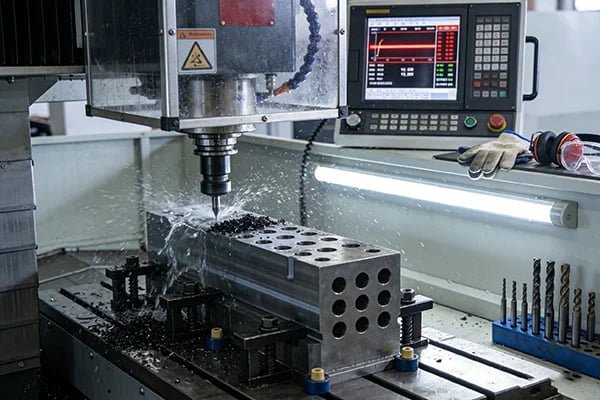
Many of our customers are in the automotive and machinery industries. They need to produce thousands of parts with consistent quality. For them, tungsten carbide drill bits are the only choice. Because the bits last so long, they don't have to stop production to change tools. This reliability is key to keeping their operations moving. I remember a client from the aerospace sector who was struggling with a high-temperature alloy. Their HSS bits were failing after just a few holes. We supplied them with our coated carbide drills, and it solved their problem. Materials like stainless steel, Inconel, and hardened tool steels are very tough on tools. Tungsten carbide's properties allow it to cut these materials effectively. When a part requires a hole with a very tight tolerance and a smooth surface finish, carbide is also the answer. It ensures every hole is the same size, which is vital for mold makers.
Material Application Guide
| Material Group | Examples | Why Carbide Works Best |
|---|---|---|
| Hardened Steels | Tool Steel, Alloy Steel (>45 HRC) | Resists wear from the high hardness. |
| Stainless Steels | 304, 316 | Overcomes work-hardening properties. |
| Cast Iron | Gray Iron, Ductile Iron | Handles the abrasive nature of the material. |
| Superalloys | Inconel, Titanium | Maintains its cutting edge at high heat. |
How Do You Use and Maintain Tungsten Carbide Drill Bits Properly?
Your expensive carbide bits are breaking too soon? This is a frustrating and costly problem. Proper use and maintenance can easily double their lifespan and protect your investment.
To use carbide bits properly, ensure they are securely clamped and centered. Use the correct speeds and feeds for the material, and apply adequate coolant. For maintenance, regularly inspect for wear or chipping, handle them carefully to avoid impact, and replace them when performance degrades.
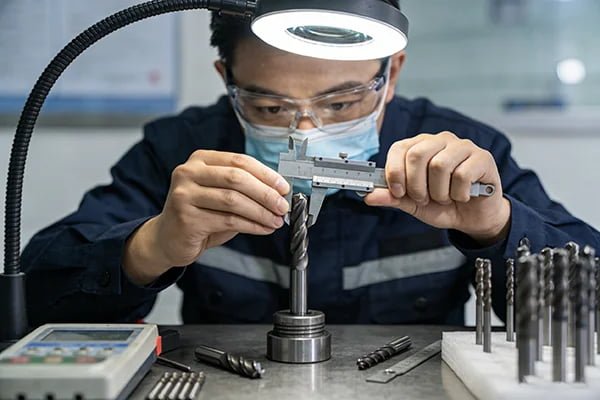
Proper installation is the first and most important step. When you install a drill bit in your CNC machine, make sure it is clamped securely in a high-quality tool holder. Any wobble or runout will cause the bit to cut unevenly and likely break. Tungsten carbide is strong, but it's also brittle. Next, every material requires different cutting parameters. Setting the right spindle speed and feed rate is critical. If you run the drill too fast, you risk overheating. If you run it too slow, you can cause other problems. We provide all our customers with detailed cutting parameter charts. If you're ever unsure, our engineers are just an email away at fred@nv-tool.com. Finally, I always tell my team to treat carbide tools like they are made of glass. They can chip or crack if dropped or banged against a workpiece. Before each use, take a quick look at the bit for any signs of wear or damage.
Conclusion
Choosing and using the right tungsten carbide drill bit boosts efficiency and quality. Follow these tips to maximize performance, extend tool life, and lower your overall production costs.