Are you tired of carbide drills1 breaking early and wasting your budget? This not only costs money but can halt production, turning a cheap tool into an expensive problem.
The best value in carbide drill bits comes from matching the right tool to your specific job. Consider the material, machine, and application. A slightly more expensive, correctly specified drill will always outperform and outlast a cheaper, generic one, dramatically lowering your cost-per-hole2.
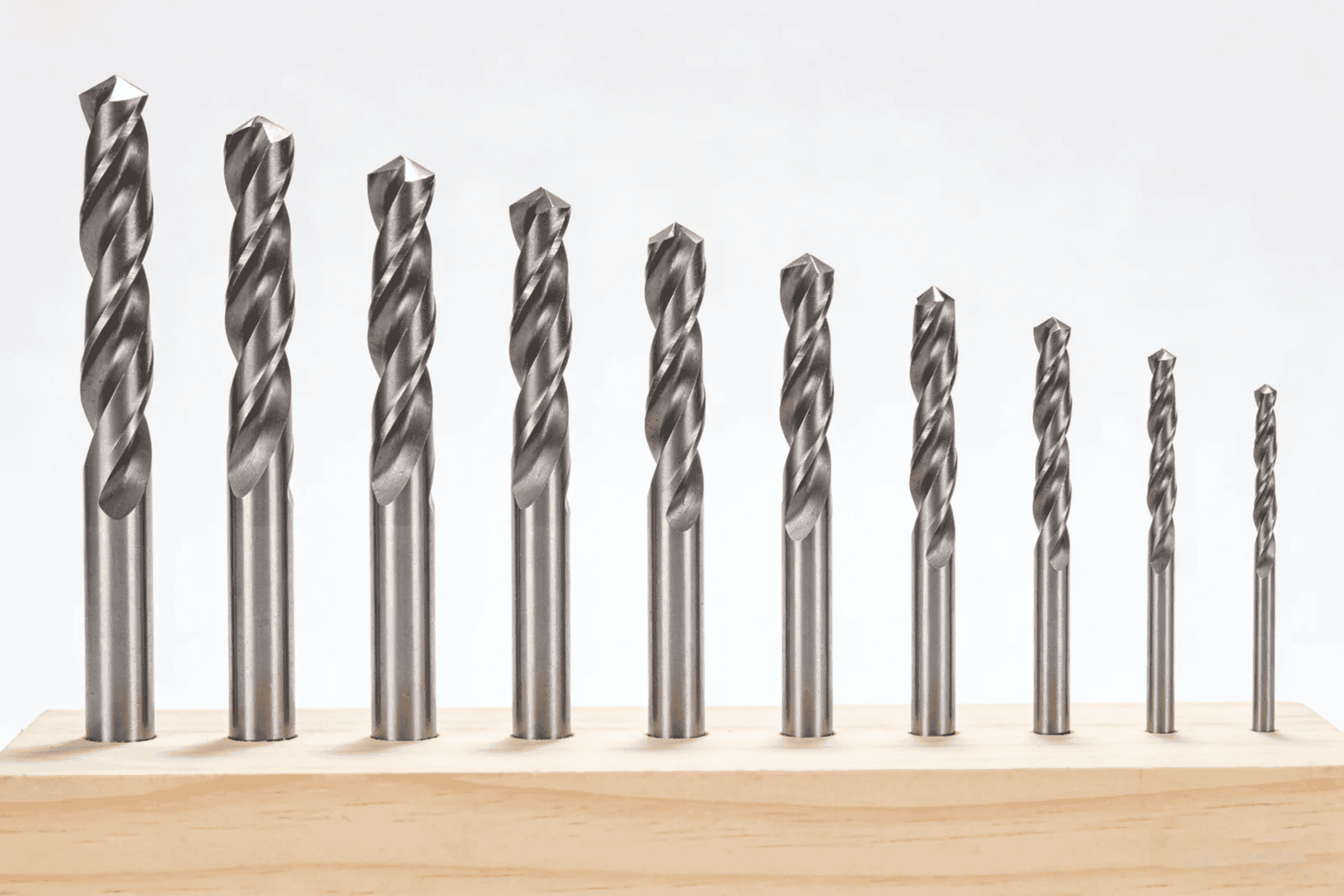
I've been in the cutting tool business for over a decade, and I talk to customers from Delhi to Bangalore every day. One of the biggest topics is price versus value. It's easy to get caught up in the initial cost of a tool, but that's a mistake that can hurt your bottom line. We need to think differently. Let's break down the factors that really influence the price and performance of a carbide drill bit, so you can make the smartest choice for your shop.
Why is one bit ₹50 and another ₹500?
Confused by the huge price difference for seemingly similar drill bits? Choosing the wrong one means you either overpay for features you don't need or get a tool that fails.
The price difference comes down to three things: the quality of the raw carbide, the complexity of the tool's geometry, and the advanced PVD coating3 applied. A ₹500 bit is a highly engineered tool designed for high performance and long life, unlike a basic ₹50 bit.
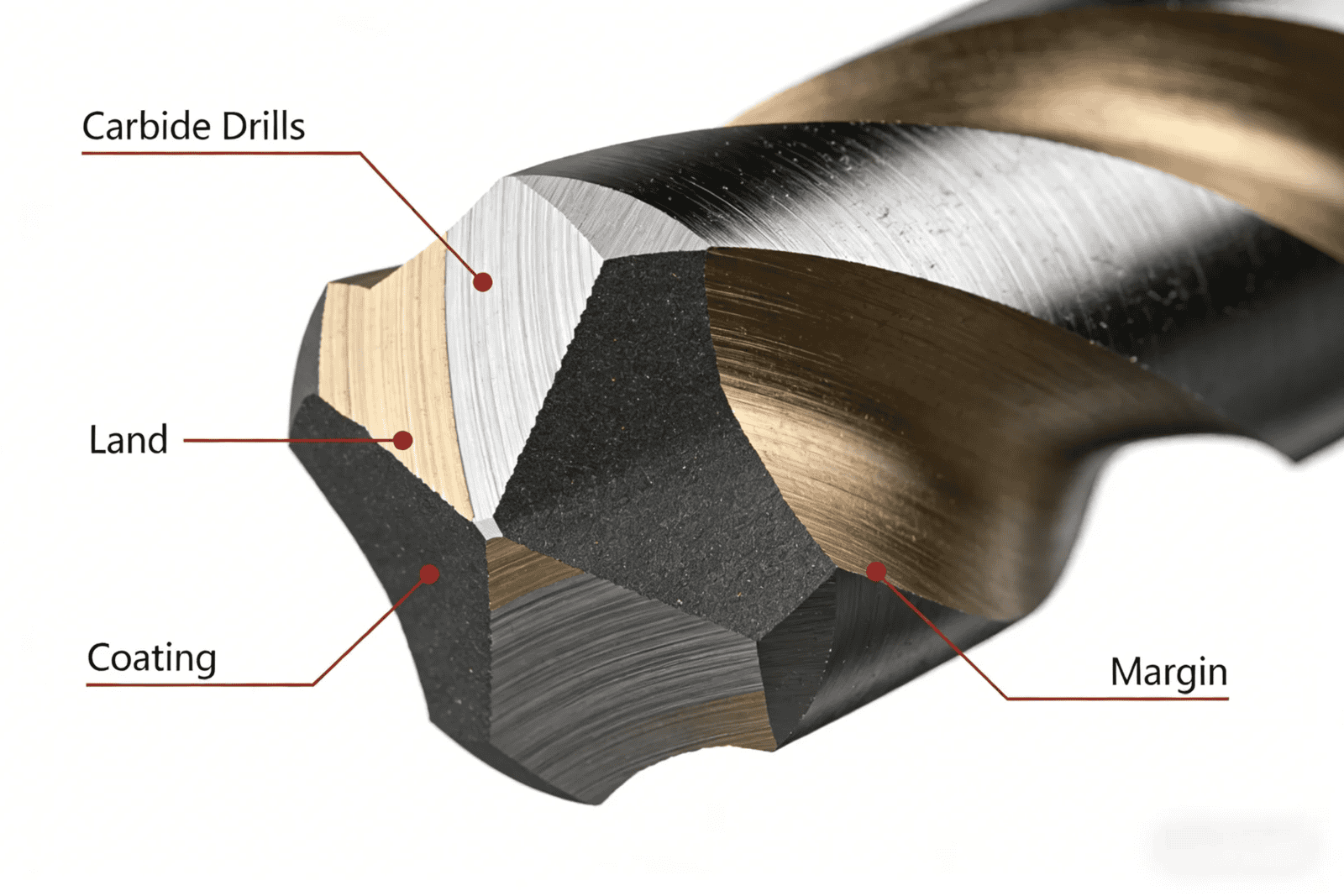
When you hold two drill bits, it can be hard to see the difference, but the performance gap is massive. The price reflects the technology and materials that go into making the tool. It's not just about a piece of metal; it's about engineering that saves you money in the long run.
The Core Material Matters
The foundation of any good drill bit is the carbide itself. We use high-quality tungsten-cobalt (WC-Co)4 rods, which give the tool extreme hardness. This allows it to cut through tough metals at speeds you could never achieve with High-Speed Steel (HSS). While HSS is cheaper upfront, a carbide drill can run 3 to 5 times faster, meaning you produce parts much more quickly. This speed is what starts to save you money.
Design Prevents Failure
Carbide is very hard, but it's also brittle. A cheap, poorly designed carbide drill will chip at the cutting edge almost immediately. A premium drill bit has a specially prepared cutting edge, often with a micro-chamfer5, that strengthens it to resist chipping. This small detail is the difference between drilling one hole and drilling a thousand.
| Feature | High-Speed Steel (HSS) | Solid Carbide |
|---|---|---|
| Cutting Speed | Slower | 3-5x Faster |
| Rigidity | Good | Excellent |
| Initial Cost | Low | High |
| Cost-per-Hole | Higher | Lower |
| Failure Mode | Wears down slowly | Can chip if used incorrectly |
What does "price per piece" really mean?
Are you still focusing only on the initial cost of a drill bit? This simple focus can actually increase your overall machining costs6, because it ignores the most important factors.
"Price per piece" is just the purchase price. The true metric for any smart machine shop is "cost per hole." This includes the tool's price, its lifespan, and the machine's running time. A higher-priced, high-performance bit almost always wins on cost-per-hole2.
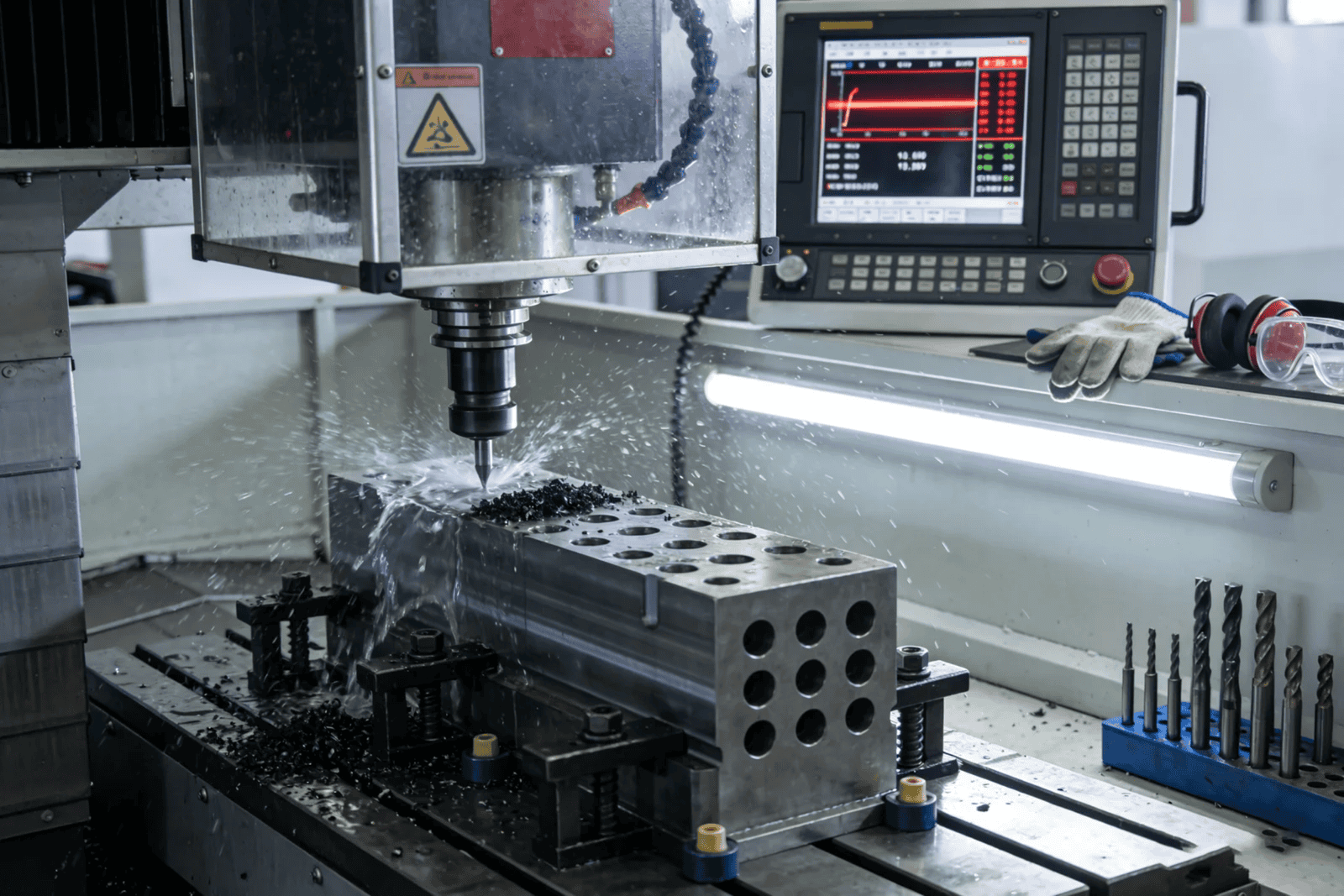
I always encourage my customers to shift their thinking. The drill bit is one of the cheapest components in the entire manufacturing process. The machine tool, the operator's salary, and the electricity are far more expensive. The goal should be to use a drill bit that makes the entire process more efficient, even if that bit costs a little more upfront.
Calculating Your Real Cost
Think about it this way. The real cost isn't just the tool. It's the total cost to produce a finished hole. A simple way to look at it is: Cost per Hole = (Tool Price / Number of Holes Drilled) + (Machine Time per Hole × Machine Hourly Rate)
Let's imagine a ₹50 drill bit that makes 100 holes before it fails. Now imagine a ₹200 drill bit from us that makes 1,000 holes. The cheap drill costs you ₹0.50 per hole in tool cost alone. Our drill costs you only ₹0.20 per hole. And that's before we even talk about speed. The better drill runs faster, reducing machine time and saving you even more money on every single part you make. You also save on the downtime needed to change out the worn tool.
How can location affect the final price?
Are you ever surprised by hidden costs after getting a quote for imported tools? Import duties, shipping, and local taxes can inflate the final price you pay, turning a good deal into a bad one.
Your location in India directly impacts the final price through shipping costs, import duties7, and GST. Buying from a local distributor might seem easier for small orders, but direct import from a manufacturer like us can offer much better value for larger quantities.

Getting tools from our factory in China to your shop in India involves a few steps, and each one has a cost. Understanding these costs helps you plan your budget and see where the real value is. Whether you're in an industrial hub like Pune or a growing city like Ahmedabad, the logistics are a key part of the final price.
Understanding Landed Cost
The price we quote you from our factory is the tool price. The "landed cost8" is the total price you pay to get it to your door. This includes the tool price, plus international shipping, insurance, customs duties, and GST. A local distributor in India has already paid all these fees and added their own profit margin on top. This is convenient, but you pay for that convenience. For businesses buying in larger volumes, dealing directly with the manufacturer is almost always more cost-effective. We work with logistics partners to make this process as smooth as possible for our Indian customers. Plus, for our partners with large orders over $30,000, we offer free international shipping, which removes a huge variable from the landed cost8 equation.
Is the cheapest option the lowest cost?
Are you tempted to always choose the cheapest drill bit you can find? This common mistake often leads to broken tools, scrapped parts, and frustrating production delays9 that cost you money.
Absolutely not. The cheapest drill bit often has a shorter life, requires slower machine speeds, and produces poor-quality holes. The true cost includes tool replacement10, machine downtime, and potential rework, making the "cheap" option very expensive in the long run.
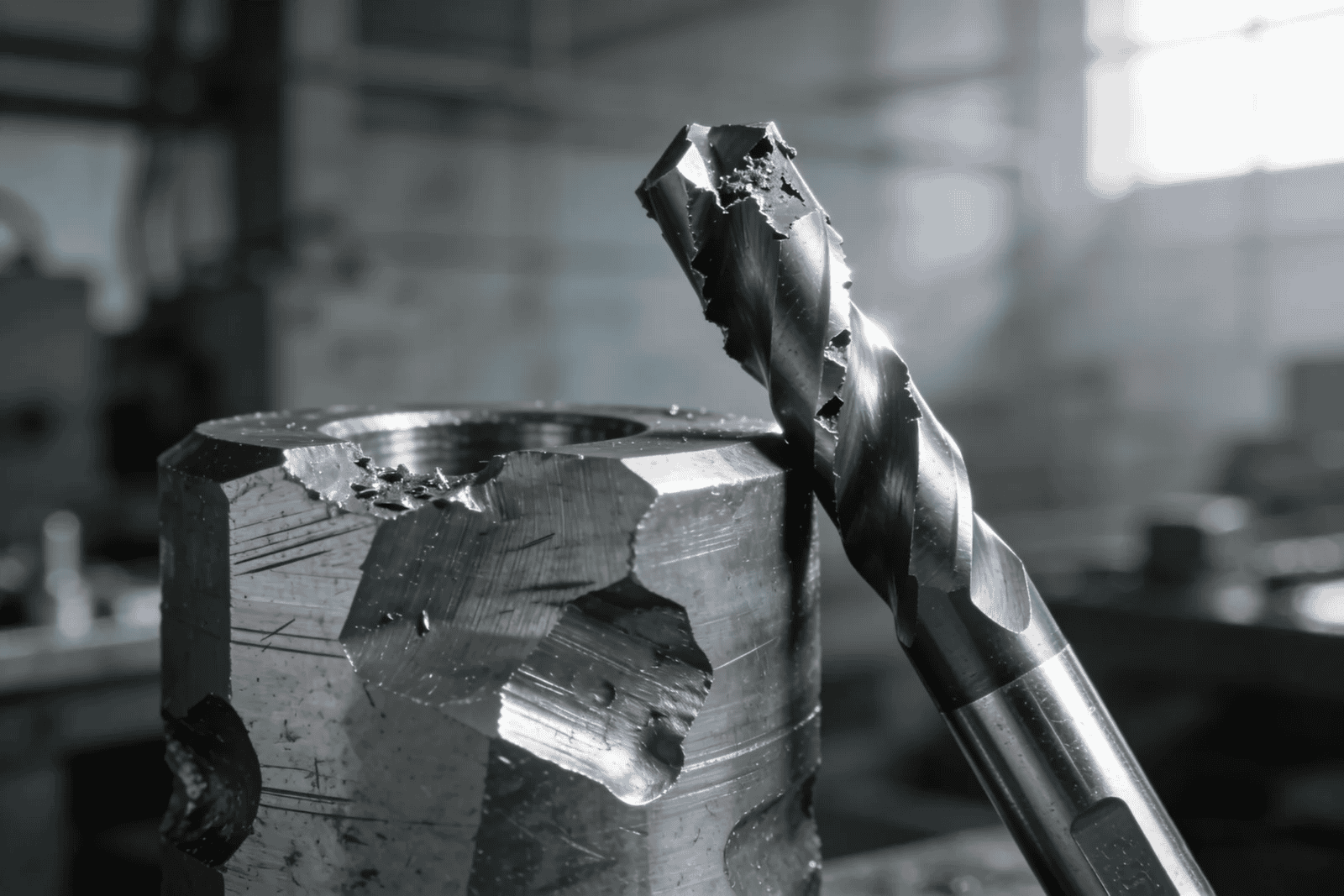
I've seen it happen hundreds of times. A shop buys a batch of cheap drills to save a few rupees. A week later, they call me because the drills are failing, their production is behind schedule, and they've ruined expensive raw material. The real cost of a tool is measured in its performance and reliability, not its price tag.
The Right Tool for the Job
The single most important factor for low-cost drilling is matching the tool to the material. A general-purpose drill will struggle to cut stainless steel, causing it to heat up, wear out, and fail quickly. An engineered drill designed specifically for stainless steel will cut smoothly and last much longer. This is where we, as a manufacturer, can provide the most value. We help you select the perfect geometry, substrate, and coating for your exact application. This expertise is more valuable than any small discount you might get on a generic tool.
| Material Being Drilled | Recommended Feature | Recommended Coating | Why It Matters |
|---|---|---|---|
| General Steel | Standard flute, tough edge | TiAlN | Good balance of heat and wear resistance. |
| Stainless Steel | Special chip-breaking flute | AlTiN | Prevents work hardening and manages stringy chips. |
| Cast Iron | Sharp edge, smaller rake angle | TiAlN | Resists the abrasive nature of cast iron. |
| Aluminum | Large rake angle, polished flutes | Uncoated or DLC | Prevents soft material from sticking to the tool. |
What questions guarantee you a fair quote?
Are you unsure how to ask for a quote that truly reflects your needs? A vague request will only get you a generic price, not a valuable machining solution that saves you money.
To get a fair and accurate quote, provide your supplier with key details: What material are you drilling? What is the hole depth and diameter? What machine are you using? Does it have through-spindle coolant11? The more information you give, the better the solution will be.

When a customer contacts me, I don't just ask "how many drills do you want?" I start a conversation to understand their process. My goal isn't just to sell a product; it's to provide a solution that improves their efficiency. The right questions help us do that together.
Information Your Supplier Needs
To give you the best possible tool recommendation and a truly fair price, a good supplier needs to know:
- The Material: Be specific. "Steel" is too general. Is it EN8, SS304, or something else? The exact grade matters.
- The Hole Dimensions: What is the exact diameter and depth? Is it a through-hole or a blind hole? This determines the tool's length and geometry.
- The Machine: What kind of machine are you using? A rigid, modern VMC can handle much higher performance than an older, less rigid machine.
- The Coolant: This is a critical one. Do you have high-pressure, through-spindle coolant11? The availability of internal coolant11 allows us to recommend a far more productive and reliable drill bit.
Giving these details ensures you are quoted for a tool that will actually work and provide excellent value, not just a generic part number from a catalog.
Conclusion
Finding the best value in carbide drills1 means looking past the price tag. Focus on cost-per-hole2 by matching the right tool to your material and machine for ultimate efficiency.
Explore the advantages of carbide drills for improved performance and cost savings in your production. ↩
Learn how to effectively calculate cost-per-hole to optimize your machining expenses. ↩
Understand the advantages of PVD coating for enhancing the durability and performance of drill bits. ↩
Discover the properties of tungsten-cobalt and why it's essential for high-performance drill bits. ↩
Learn about micro-chamfers and how they enhance the performance of drill bits. ↩
Discover the key factors that affect machining costs and how to manage them. ↩
Understand the implications of import duties on your tool purchasing decisions. ↩
Get insights into landed cost and how it affects your budgeting for imported tools. ↩
Identify common causes of production delays and strategies to prevent them. ↩
Explore the hidden costs of tool replacement and how to minimize them. ↩
Discover the importance of coolant in enhancing drill bit performance and longevity. ↩